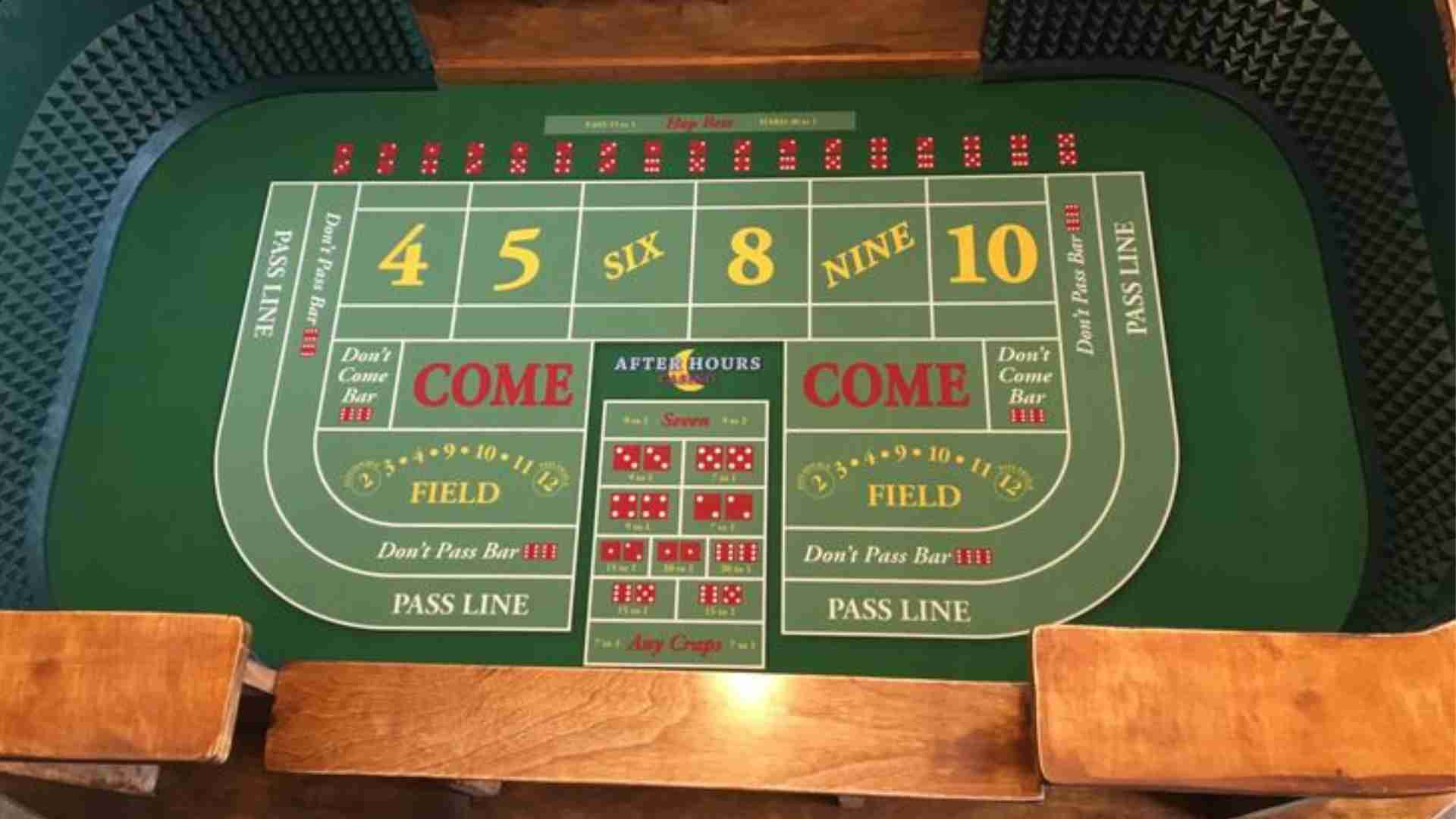
Strategy-focused dice games have evolved far beyond mere tests of luck, challenging players to evaluate risk, manage uncertainty, and make calculated tactical choices on every turn. Modern tabletop designs utilize custom dice mechanics to craft rich decision trees where every roll opens up distinct tactical paths. By understanding how to manipulate variance and optimize resource allocation, players can turn unpredictable outcomes into consistent victories.
Evaluating Risk and Probability Spreads
Every decision in a strategic dice game begins with assessing probability before committing your resources. Skilled players analyze the likelihood of specific numerical outcomes and weigh them against potential strategic rewards. Understanding basic statistical distributions allows gamers to mitigate risk rather than relying solely on fortunate rolls.
Tactical flexibility becomes essential when initial rolls fail to deliver desired combinations. Successful players prepare contingency plans for low-probability events to maintain momentum throughout the match. By spreading operational risk across multiple avenues, you ensure that even sub-optimal rolls yield valuable tactical progress.
Mitigating Variance Through Mitigation Mechanics
Modern game design frequently provides tools to adjust, reroll, or manipulate physical die results after they are cast. Utilizing these mitigation abilities efficiently separates casual players from tactical experts. Learning when to spend limited modification tokens ensures that critical actions succeed during crucial moments in the game.
Resource management plays a major role when deciding whether to accept a modest outcome or push for maximum performance. Gamers interested in exploring probability strategies, such as those analyzed on man888, often emphasize conserving re-rolls for high-impact turns. Strategic restraint prevents players from burning through valuable resources during early, non-essential rounds.
Action Selection and Worker Placement Dynamics
In many heavy Euro-style games, dice serve as specialized workers whose values determine the strength or location of available actions. Players must constantly evaluate whether to draft high-value dice for powerful primary moves or use lower numbers for flexible utility actions. This dynamic creates a tight tactical puzzle where turn order and resource efficiency interact continuously.
Denying opponents access to key action spaces often takes priority over optimizing your own immediate scoring potential. By observing opponent board states, you can select dice values that block their preferred moves while still advancing your overall strategy. This balance between offensive expansion and defensive disruption defines elite tabletop play.
Adapting Strategies to Changing Game States
Tactical brilliance relies heavily on real-time adaptability rather than rigid adherence to a single opening plan. As board positions shift and opponents claim key objectives, your tactical evaluation of incoming dice values must evolve accordingly. Flexibility enables players to pivot toward high-yield opportunities whenever random rolls alter the field.
Recognizing the exact moment to shift from engine building to victory point acquisition determines long-term success. Maintaining a balanced operational setup ensures your strategy remains resilient against sudden shifts in fortune. Ultimately, mastering tactical decision-making transforms unpredictable dice games into deeply rewarding strategic contests.