Understanding the mathematical advantage built into table options helps players make smarter decisions on the floor. Comparing different gaming options allows enthusiasts to identify which titles provide the highest statistical probability of returning payouts over time.
Evaluating Blackjack and Strategy Variations
Blackjack consistently offers one of the lowest house margins in modern gaming establishments when played with basic strategy. Utilizing optimal decision-making can drop the venue advantage to well below one percent in standard rulesets.
Variations in rule setups, such as payout ratios for natural hands, directly affect player return rates. Reviewing gaming guides on m88 login can help players better analyze how different rule mechanics impact statistical probabilities across traditional games.
Understanding Craps Pass Line and Odds Bets
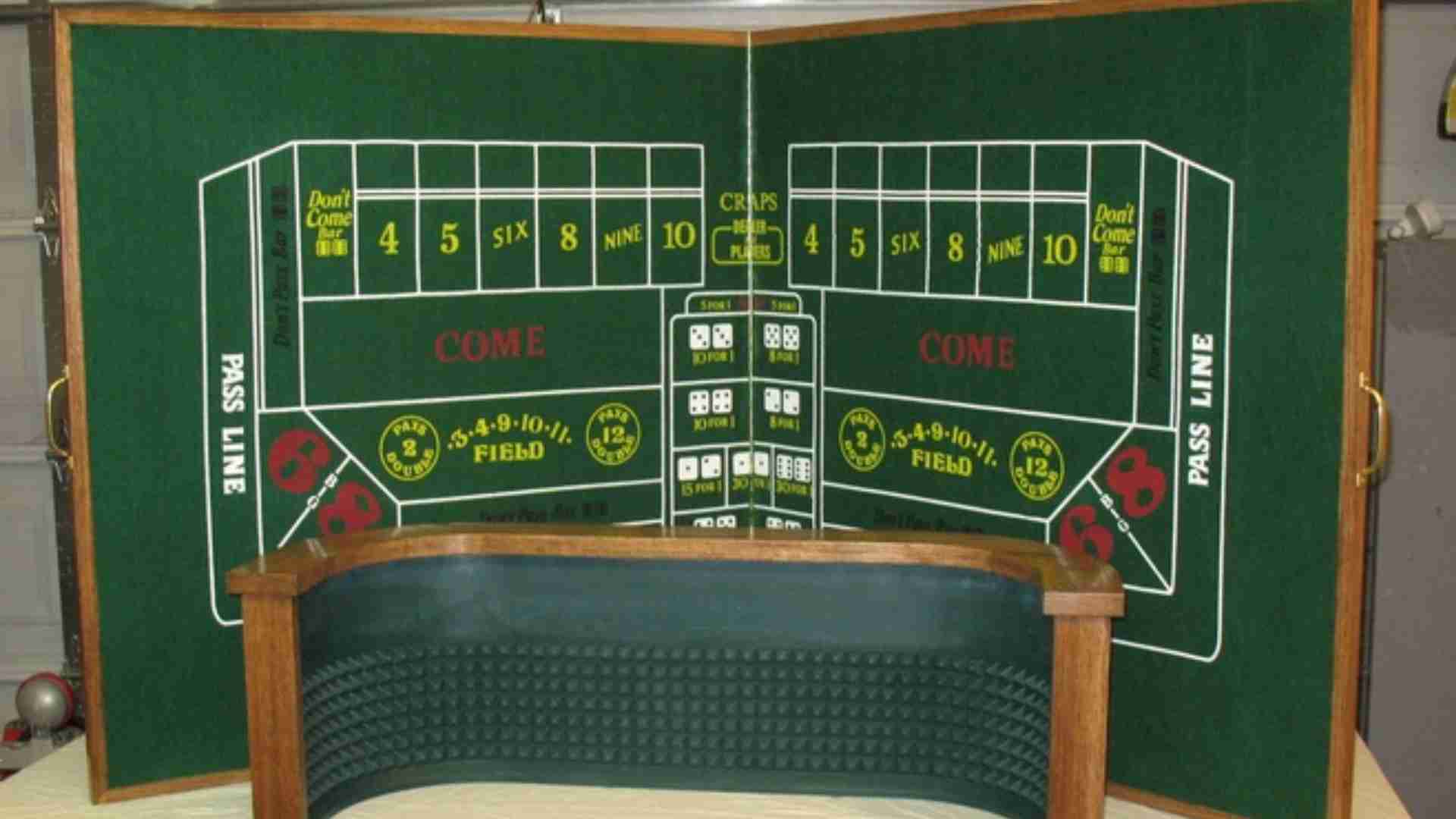
Craps provides some of the most favorable mathematical odds on the floor when focusing on specific wagering areas. The basic Pass Line bet carries a reasonable statistical edge that remains attractive to strategic players.
Adding true odds wagers behind the initial line bet carries no mathematical house edge at all. Combining these options effectively lowers the overall advantage held by the house during active shooter sessions.
Comparing Baccarat Banker and Player Wagers
Baccarat is widely known for offering straightforward options with low variance and reliable statistical expectations. Wagering on the Banker hand carries a slightly lower advantage than backing the Player hand, even after accounting for commissions.
Avoiding high-risk side wagers like tie options helps maintain a favorable mathematical position throughout play. Stick strictly to main outcome choices to keep expectations as close to equal as possible.
Comparing Table Games Against Electronic Terminals
Electronic terminals and slot machines generally feature significantly higher built-in house edges than classic table options. While digital terminals offer speed and variety, the long-term return percentages tend to favor traditional felt games.
Recognizing the difference in mathematical returns enables players to structure their sessions according to personal risk preference. Choosing options with lower house margins ultimately maximizes entertainment value and extends active playtime.