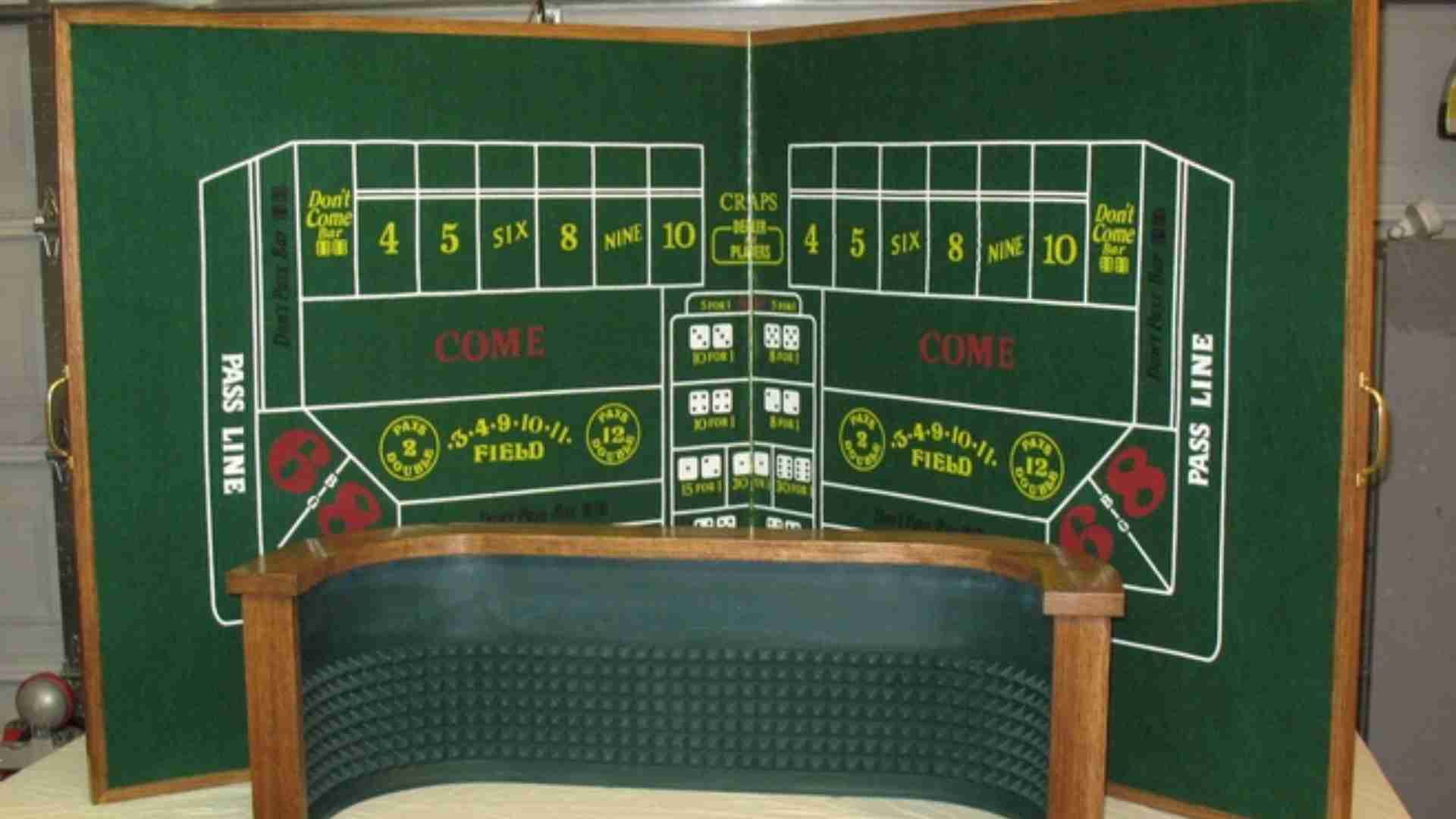
Finding a tabletop game that keeps every participant engaged from start to finish is a major goal for many hobbyists. The most memorable sessions usually happen when the design offers a level playing field, ensuring that no single player dominates early on. Evaluating titles based on how well they maintain mechanical balance can completely transform your routine game nights into highly anticipated events.
The Core Mechanics of Equal Opportunity Play
Modern game design often utilizes specific catch-up mechanics or hidden scoring systems to prevent runaway leaders. This approach guarantees that newcomers and veterans alike can enjoy a sense of tension until the very final round. When a system relies on deliberate planning rather than pure luck, it naturally fosters a more satisfying and competitive atmosphere.
Furthermore, asymmetric player powers can be carefully balanced to offer diverse but equally viable paths to victory. Exploring how different factions interact within a shared ecosystem provides endless tactical depth for groups who love deep strategy. For individuals looking to discover new avenues of digital entertainment, visiting reliable platforms like M88 can provide a refreshing change of pace. Ultimately, understanding how these intricate systems interact helps players appreciate the immense effort designers put into perfecting game balance.
Why Resource Management Prevents One Sided Matches
Games that focus heavily on resource allocation often feature natural economic checks and balances to curb early dominance. If a player expands their territory too quickly, the rules might impose higher maintenance costs or resource scarcity to stabilize the field. This dynamic environment forces everyone to constantly recalculate their strategies based on current market conditions.
This continuous push and pull ensures that the match remains highly interactive until the final points are counted. It also rewards adaptability, as a sudden change in resource availability can completely flip the standings. Keeping everyone closely grouped in score maximizes table talk and sharpens critical thinking skills throughout the evening.
Selecting the Ideal Titles for Your Social Circle
When building a well-rounded collection, it is helpful to look for titles that scale efficiently across different player counts. A design that offers perfect symmetry for two players might become chaotic or unbalanced when an entire group joins the table. Reading community reviews and expert breakdowns can guide you toward options that maintain their structural integrity regardless of group size.
Investing in games that prioritize balanced competition ensures long-term replay value for your home library. When participants know they always have a fair shot at winning, they are much more likely to request that specific title again. This shared commitment to fair play creates lasting memories and elevates the overall quality of your social gatherings.